Natural Sourdough Country Loaf
Stone-milled T80 & T130 rye flour, wild sourdough starter, 24h cold ferment and cast iron bake
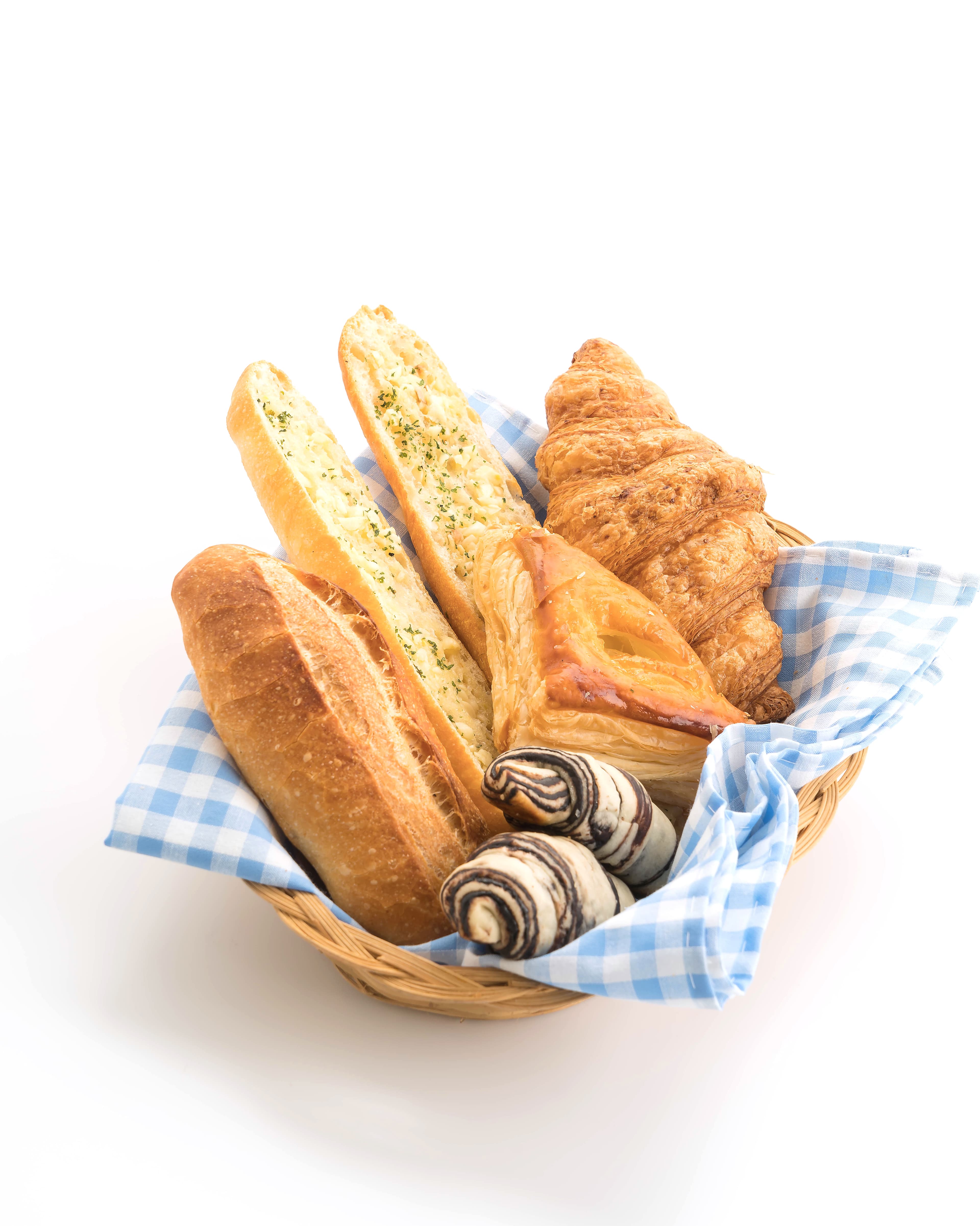
Heritage & Historical Context
Natural sourdough bread embodies the pinnacle of ancestral baking craftsmanship. Free of commercial baker's yeast, fermentation is driven solely by wild yeasts and lactic acid bacteria in a nurtured starter. It delivers superior digestibility, exceptional keeping qualities, and deep cereal aromas with complex lactic tang.
The foundational method of leavened bread since ancient Egypt, wild sourdough remained the universal standard in France until industrial pressed yeast emerged in the 19th century. Its modern revival champions digestive health and terroir flavors.
Step-by-Step Laboratory Protocol
4 stepsFull stone-ground flour autolyse
Mix T80 and rye flour with 700 g water (reserve 50 g for bassinage). Rest 60 minutes so the coarse bran absorbs moisture without puncturing forming gluten strands.
Incorporating active starter and salt
Spread ripe starter over dough, fold in gently. Add salt and reserved 50 g water (bassinage). Knead smoothly with coil folds until surface tension appears.
4 coil folds over 3 hours then 18h cold retard
Hold dough at 25°C. Perform 4 coil fold sessions spaced 45 minutes apart. When mass grows by 50% with domed bubbly top, divide, pre-shape into bannetons, and refrigerate at 4°C for 16-20 hours.
Covered steam bake followed by open crusting
Preheat Dutch oven to 250°C for 45 min. Invert cold dough onto parchment, score with single continuous slash. Drop into smoking hot pot, clamp lid. Bake 25 min covered, uncover and finish 15 min at 220°C until dark mahogany.
Chef's Technical Rules
- Feeding starter 4-5 hours prior and using it right at its peak volume ensures energetic oven rise while preventing harsh volatile vinegar notes.
- Cold retardation at 4°C gives phytase enzymes time to break down phytic acid, unlocking bioavailable minerals and optimizing gut tolerance.
Troubleshooting & Solutions
| Symptom | Root Cause | Corrective Action |
|---|---|---|
| Flat disc loaf with pale crust and zero spring | Starter was over-acidic (spent) or dough was overproofed, leaving no residual sugars for caramelization. | Build a sweeter starter with double back-to-back feedings; bake while dough still has resilient bounce on the finger poke test. |