Secrets to an Unbeatable, Silky Crème Pâtissière Without Lumps
The essential 2-minute rolling boil, starch chemistry, pasteurization, and skin-contact cooling
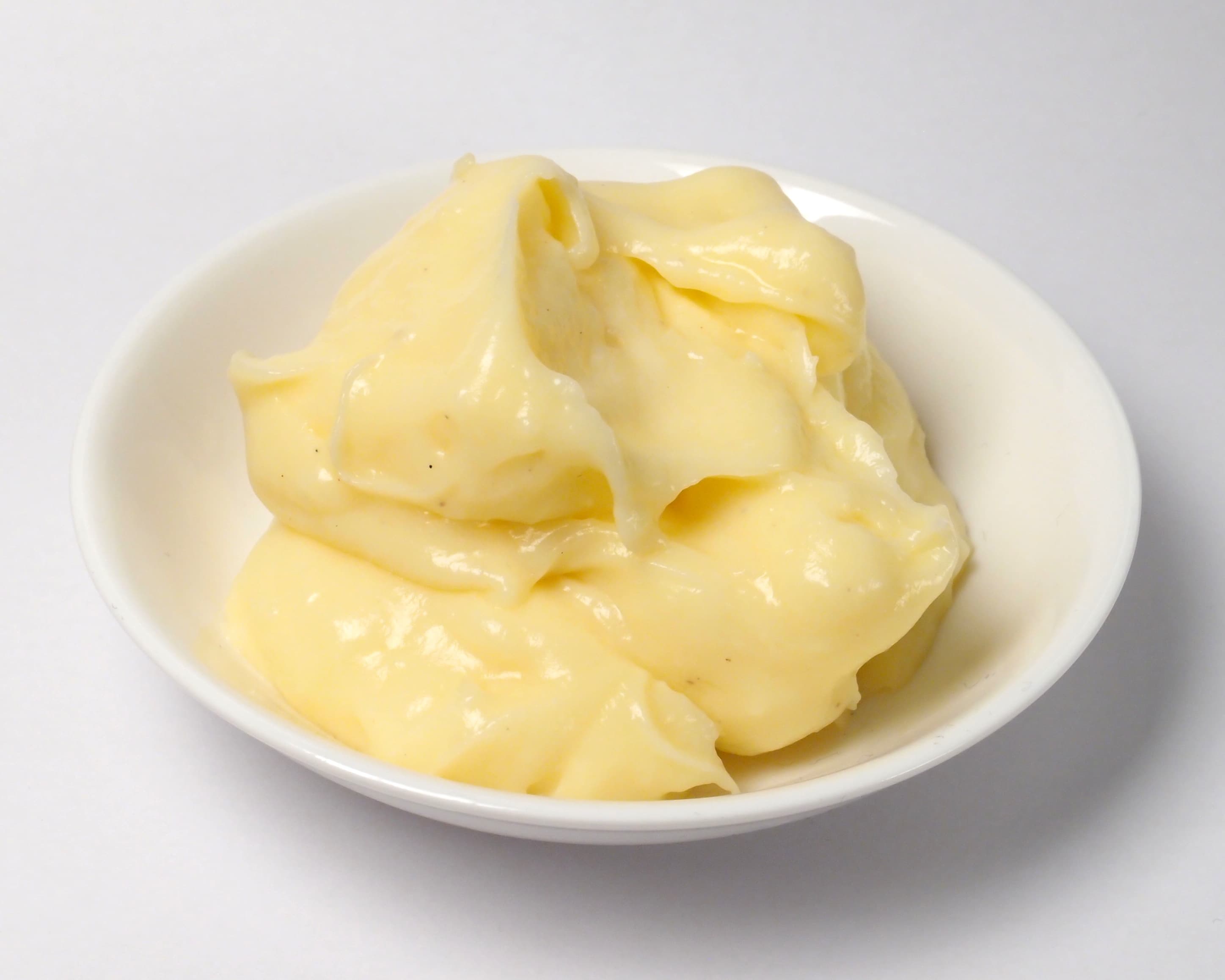
Silky French crème pâtissière infused with natural Bourbon vanilla seeds
« The foundational custard of éclairs, fruit tarts, and mille-feuille: master the technical rules for a velvety, lump-free cream. »
01.1. Why a 2-Minute Full Boil Is Strictly Mandatory
Many home cooks take the pan off the stove the moment custard thickens. This is a critical mistake: egg yolks harbor an enzyme called alpha-amylase. Unless this enzyme is thoroughly deactivated by sustaining a rolling boil above 85°C for at least 60 seconds, it will digest starch molecules in the fridge, liquifying your pastry cream into a runny puddle within 24 hours.
02.2. Cornstarch vs Wheat Flour: The Texture Verdict
Wheat flour yields a heavier, pastier texture that masks delicate fruit notes. Pure cornstarch (or French poudre à crème) creates a lighter mouthfeel, silky glide, and satin gloss that elevates vanilla aromas.
Practical Checklist for Success
Essential steps to implement in your home kitchen or bakehouse
- ✓Steep split vanilla pods in hot scalded milk covered for at least 20 minutes off heat to extract deep volatile vanillin compounds.
- ✓Press heatproof plastic wrap directly flush against the hot custard surface to block air exposure and prevent skin formation.
Troubleshooting & Common Pitfalls
How to diagnose and correct execution flaws
Leaving egg yolks and sugar sitting unwhisked together in a bowl
Sugar dehydrates egg proteins by osmotic draw, forming hard insoluble yellow granules. Whisk immediately upon contact.
Related Recipes
Put these techniques into direct practice with these master formulations
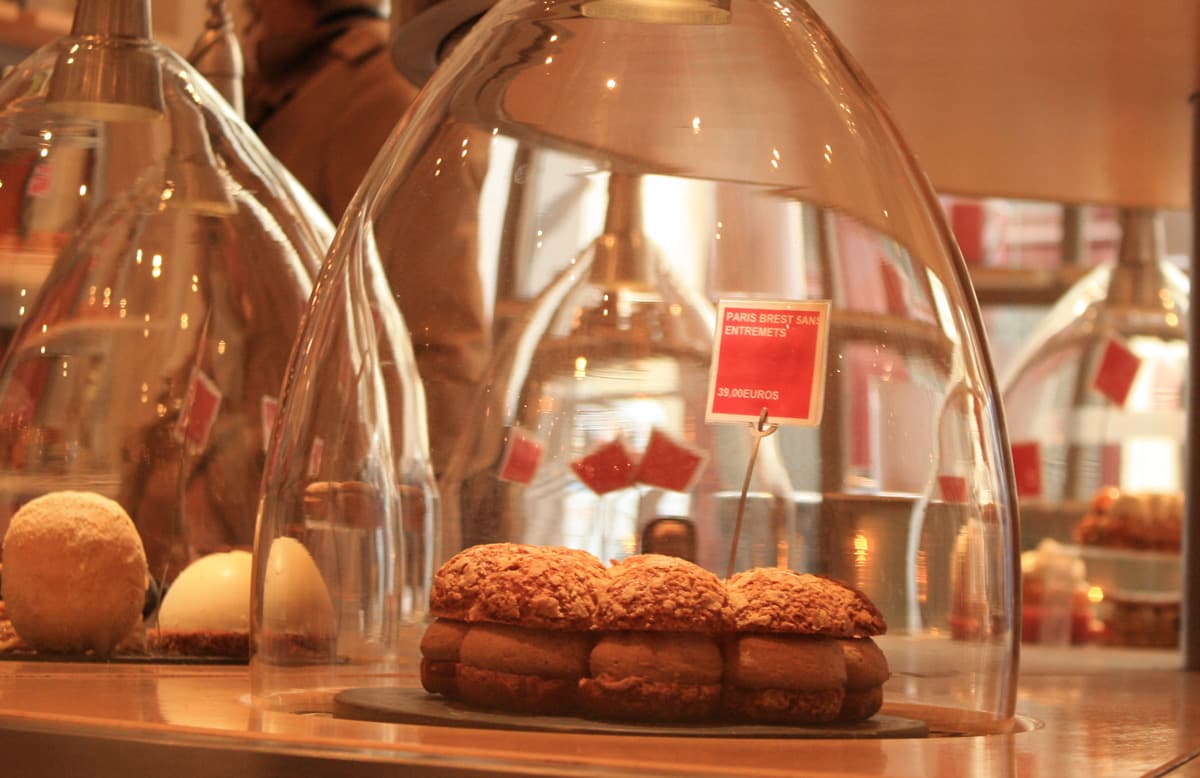
Paris-Brest with House-Made Praline
Choux pastry wheel crowned with craquelin, toasted almonds, and Piedmont hazelnut praline mousseline
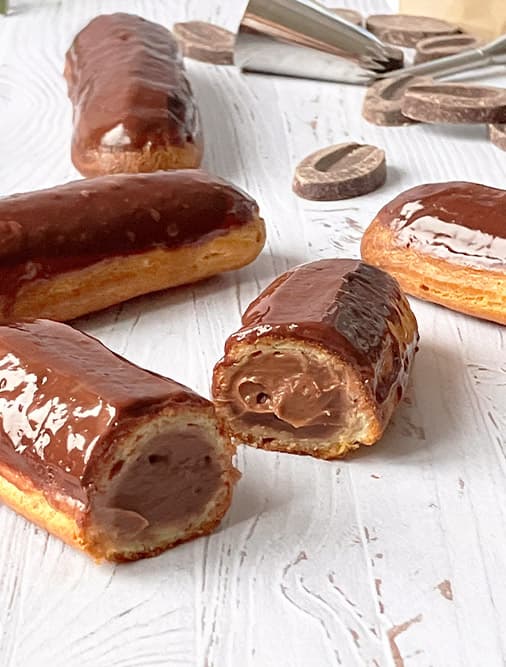
Grand Cru Dark Chocolate Éclair
Piped choux fingers, 66% dark chocolate pastry cream and high-gloss bittersweet chocolate fondant glaze
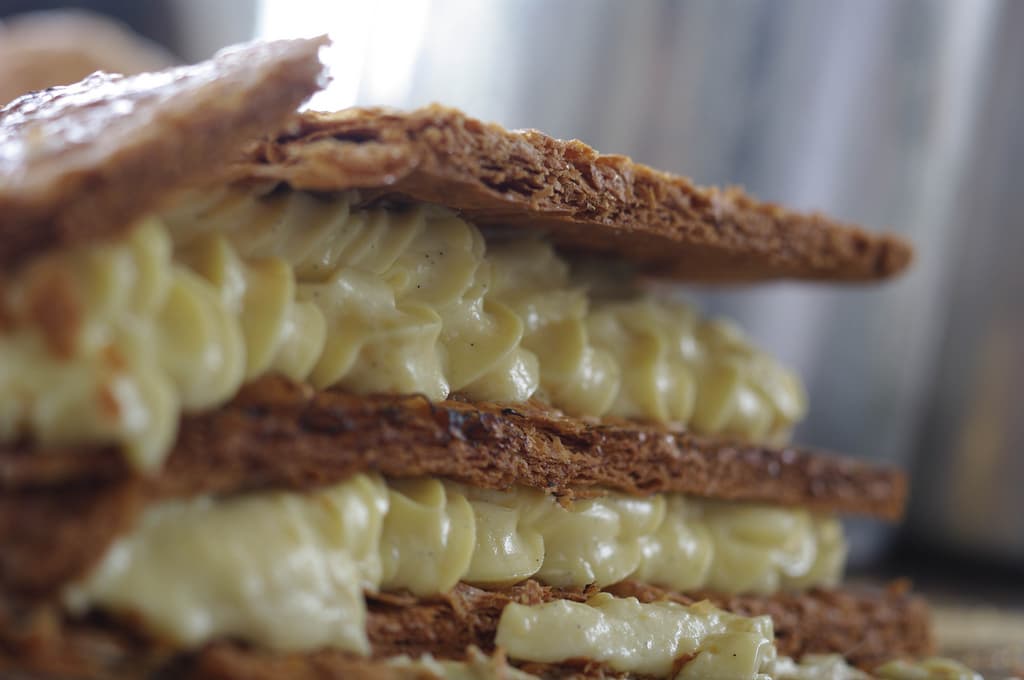
Caramelized Bourbon Vanilla Mille-Feuille
Three crisp sheets of caramelized inverted puff pastry paired with rich vanilla bean diplomat cream